
Water is part of almost everything we do. We use it at home, at work and throughout our daily lives.
However, reliable water supply does not happen by chance. It depends on infrastructure that collects, treats, stores and distributes water.
These systems support households, agriculture, businesses and industries. They also play an important role in public health and economic development.
For South Africa, water infrastructure is about more than supplying taps. It is about supporting communities and keeping the country moving.
Water Supports More Than Households
Access to reliable water affects many parts of everyday life.
For households, water supports drinking, cooking, cleaning and sanitation. Schools and hospitals also depend on a consistent supply to operate safely.
Agriculture needs water to support crops and livestock. Without reliable access, farming operations can face serious difficulties.
Businesses and industries also depend on water. It supports production, cleaning, cooling and many other daily processes.
As a result, water supply problems can affect more than one household or business. They can disrupt entire communities and local economies.
The Infrastructure Behind Our Water Supply
Most people only think about water when they turn on a tap. However, several systems work together before water reaches a home or business.
These include:
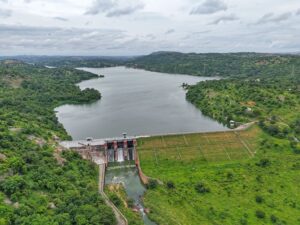
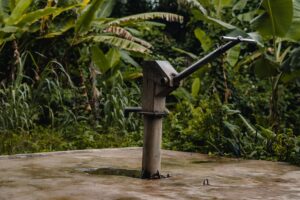
Water sources: Dams, rivers and groundwater provide important sources of water.
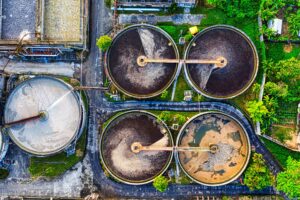
Treatment plants: Facilities treat water to meet the required quality standards.
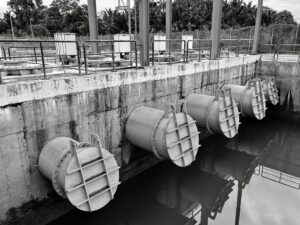
Pipelines: Networks transport water between sources, treatment facilities and communities.
Reservoirs: Storage facilities help manage supply and meet changing demand.
Pumping stations: Pumps move water through systems, especially where elevation affects distribution.
Distribution networks: Local pipes deliver water to homes, businesses and public facilities.
Wastewater infrastructure is also important. It collects used water and treats it before discharge or reuse.
Together, these systems form an important part of South Africa’s infrastructure.

South Africa's Water Infrastructure Challenges
South Africa faces several challenges in maintaining reliable water services.
Ageing pipes, leaks and limited maintenance can affect the performance of water systems. In addition, growing communities place more pressure on existing infrastructure.
The condition of treatment facilities also matters. Water must meet quality standards before it reaches consumers.
A parliamentary briefing on the Auditor-General’s first consolidated water sector audit report highlighted serious concerns. It reported unsafe drinking water systems in 46% of municipalities. It also found that 99% of wastewater treatment plants failed at least one quality standard.
These findings show why infrastructure performance matters. Building new facilities alone cannot solve every problem. Existing systems also need proper operation, maintenance and investment.
Why Maintenance Matters
Infrastructure needs ongoing attention to remain reliable.
Regular inspections can help identify problems before they become major failures. Repairs can also reduce water losses and limit service interruptions.
Maintenance includes more than fixing broken pipes. It also involves checking pumps, monitoring treatment facilities and upgrading ageing equipment.
Furthermore, planning plays an important role. Authorities need to understand the condition of their infrastructure. They must also identify where upgrades and investment are most needed.
New projects can improve capacity and extend access. However, existing systems must continue to receive attention.
Both are important for long-term water security.
Looking Ahead: Building More Reliable Water Systems
South Africa needs water infrastructure that can support current and future demand.
This requires long-term planning, investment and responsible management. It also requires cooperation between government, municipalities, water providers and communities.
In July 2026, government released the National Water Action Plan. The plan focuses on improving water services, increasing infrastructure investment and strengthening maintenance.
These priorities highlight an important point. Reliable water supply depends on more than the availability of water sources. It also depends on the systems that move water to the people who need it.
Water is more than a basic necessity. It supports healthy communities, productive businesses and economic activity.
Therefore, investing in and maintaining water infrastructure is essential to South Africa’s future.
Glossary
Water infrastructure: The facilities and systems used to collect, treat, store and distribute water.
Water treatment: The process of treating water to meet the required quality standards.
Reservoir: A storage facility that holds water for future use and distribution.
Water distribution network: The pipes and related systems that deliver water to consumers.
Wastewater: Water that has been used in homes, businesses or industries and requires treatment.
Water security: The reliable availability of enough good-quality water for people, the economy and the environment.
Recommended Reading
Industry Resource: National Water Action Plan
Explore more industry insights:
South Africa’s National Water Action Plan outlines priorities for improving water services and infrastructure. It also highlights the importance of investment, maintenance and better management.
Read the National Water Action Plan announcement on the South African Government website.
Discover how lime is used in water purification and the role it plays in water treatment processes. Read our related article, How Lime Is Used in Water Purification.
